
RECRUIT
The Challenges We Tackle
Star Signal Solutions is looking for talented individuals to join our team.
As the number of satellites in orbit continues to grow, it is estimated that by 2030, there will be around 37 million close approaches per year that may require collision-avoidance actions.
To strengthen and further advance our services in response to this rapidly evolving environment, we are seeking motivated teammates who can help drive our mission forward.
Challenges Faced by Satellite Operators in Collision-Avoidance Operations
- Data Challenges
The conjunction data currently available to satellite operators is often incomplete, with uncertainties of around 10 kilometers, making accurate risk assessment difficult. - Operational Challenges
Implementing collision-avoidance maneuvers requires operators to analyze conjunction data for each event and develop a customized avoidance plan for every satellite. - Business Challenges
Collision-avoidance maneuvers can shorten a satellite’s operational lifetime and reduce observation opportunities, leading to direct business losses.
Satellite operators are required to perform collision-avoidance maneuvers whenever their satellites approach other objects in orbit, in order to prevent orbital traffic accidents and protect the space environment.
References
• ISO 24113:2019 — Space Debris Mitigation Requirements
• LongTerm Sustainability (LTS) Guidelines for Outer Space Activities — United Nations Committee on the Peaceful Uses of Outer Space (UNCOPUOS)
• “Guidelines for Ensuring a Safe and Sustainable Space Environment: Preventing the Increase of Space Debris” — Cabinet Office, Government of Japan, Office of National Space Policy
Our Team
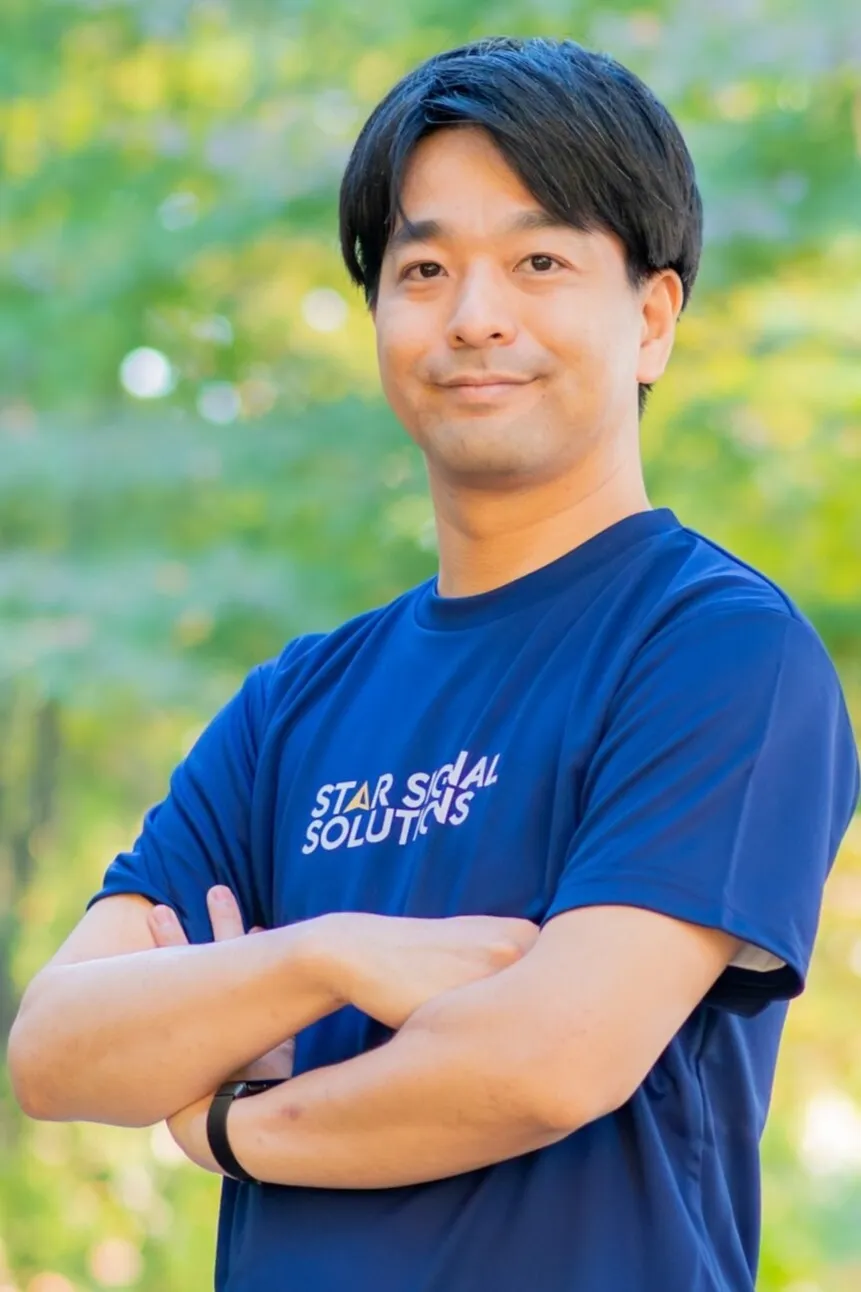
Akihiro Iwaki
CEO
Background in JAXA, Ministry of Education, Cabinet Office; involved in the adoption of the LTS Guidelines (2019) and establishment of the Space Resources Working Group (2022) at the United Nations.
SBooster 2021 Special Jury Prize, Next Innovator 2022 Silicon Valley cohort.
Kyoto University, Faculty of Law.
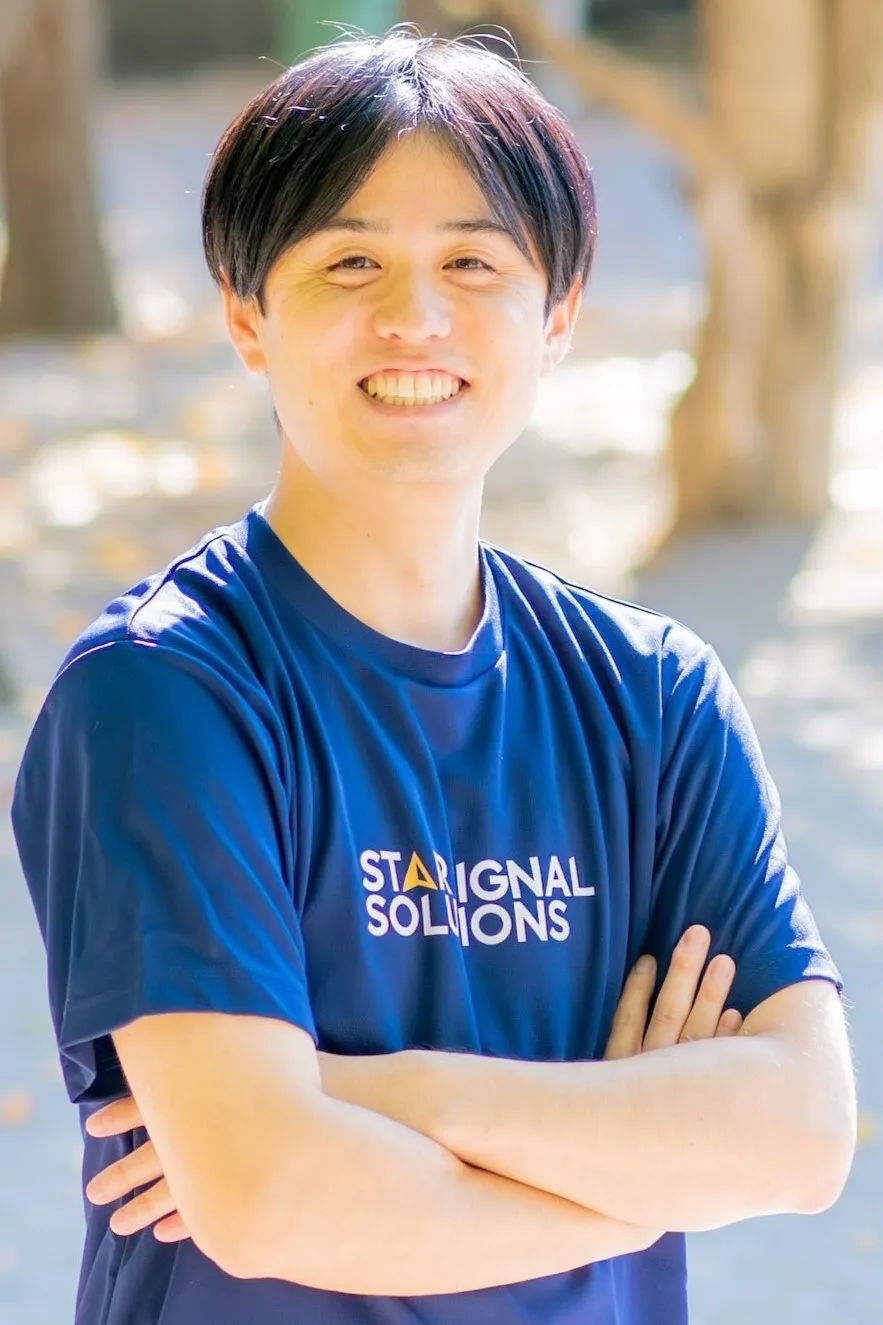
Yuuki Akiyama
Director
Service & Application Development / Lead
Orbit Dynamics System Development
Experience in orbit dynamics support for satellite operations at JAXA, development of the Mt. FUJI SLR reflector, collision-probability-based risk-avoidance tool (RABBIT), and debris approach analysis.
Has delivered practical debris-avoidance training in Japan and across Asia.
Ph.D. in Engineering, Kyushu University.
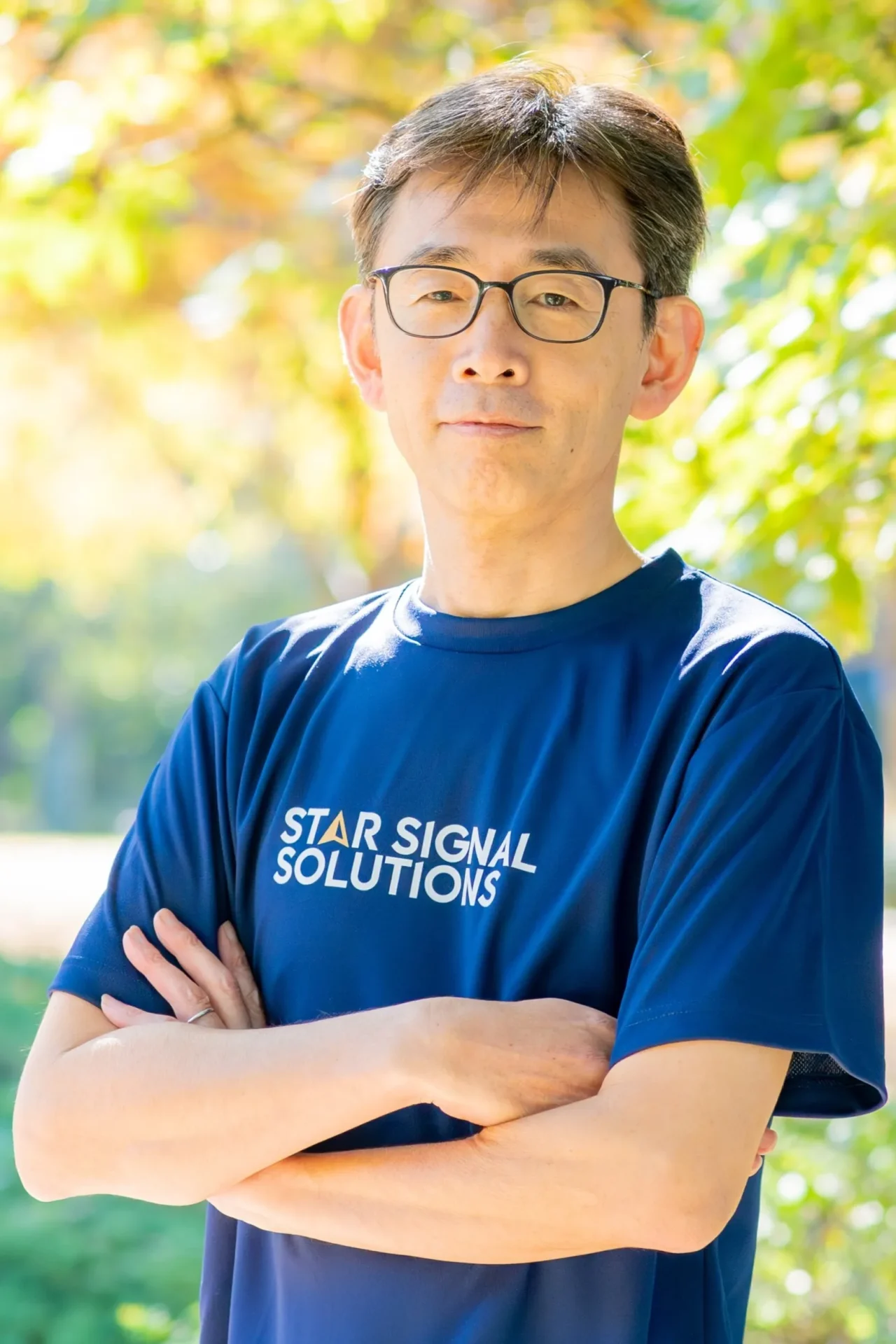
Toshifumi Yanagisawa
Director
Observation System R&D Lead
20 years of research experience in debris observation technologies at JAXA.
Worked at NASA’s Orbital Debris Program Office developing GEO debris observation techniques.
Former chair of the IADC Observation Working Group.
Ph.D. in Science, Nagoya University.
Recruitment Information
| Positions Available | Technical Roles • Orbit analysis • Spaceobject observation • Data analysis • AI / machine learning Business & Administrative Roles • Planning & sales (domestic and global) • General affairs • HR • Legal |
| Eligible Backgrounds | Applicants from all academic fields and majors are welcome. |
| Work Location | • Headquarters office • Remote work available |
| Working Hours | 9:00–17:00 Break: 12:00–13:00 |
| Holidays & Leave | • Saturdays, Sundays, and national holidays • Annual paid leave |
| Benefits | • Childcare support • Company PC provided • Full transportation reimbursement |
Recruitment Information
| Positions Available | Technical Roles • Orbit analysis • Spaceobject observation • Data analysis • AI / machine learning Business & Administrative Roles • Planning & sales (domestic and global) • General affairs • HR • Legal |
| Eligible Backgrounds | Applicants from all academic fields and majors are welcome. |
| Work Location | • Headquarters office • Remote work available |
| Working Hours | 9:00–17:00 Break: 12:00–13:00 |
| Holidays & Leave | • Saturdays, Sundays, and national holidays • Annual paid leave |
| Benefits | • Childcare support • Company PC provided • Full transportation reimbursement |